





The expansion of green areas in cities can potentially contribute to climate change mitigation and adaptation, heat and flood mitigation, erosion reduction and carbon capture.


We lose 24 billion tonnes of fertile soil and 15 billion trees a year, at a cost of $40 billion.


Material efficiency strategies can reduce emissions from materials and operational energy in housing by 40% in 2050 in G7 countries and up to 70% in India and China.


Main metal-containing items for post-consumer waste are cars, electronic appliances and packaging.


Agriculture uses 70% of fresh water globally. Expansion of crops for biofuels would add to this.


Planet will need 180 bn tonnes of material a year by 2050 if trends continue.


The raw materials used to extract and produce traded goods are three times higher than the direct volume of material resources traded across countries.


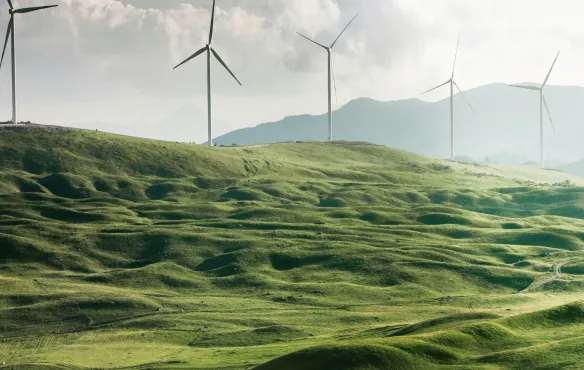
Renewables cause significantly lower pollution, but have a higher demand for structural materials


