

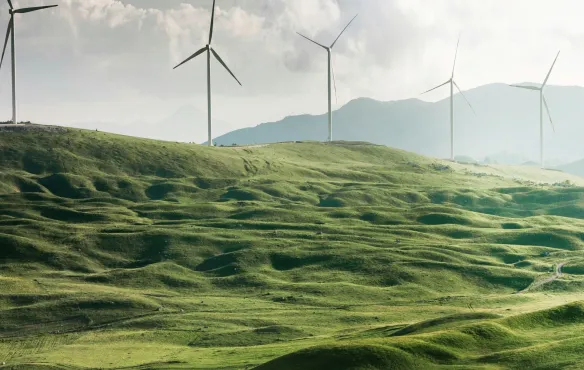
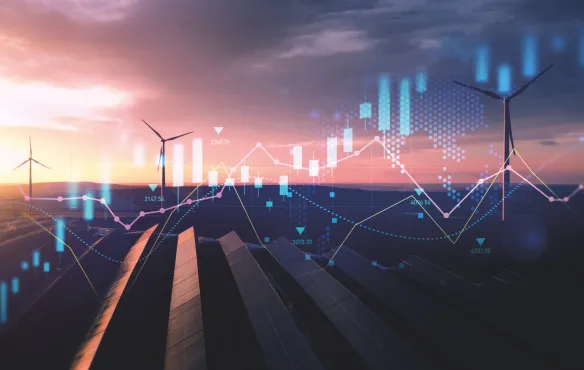


Low-carbon energy technologies could avoid 17 million tonnes per year of particulate matter.


We must work together to create an innovation culture for resource efficiency.


From 2000 to 2015, the climate change and health impacts from extraction and production of metals doubled.


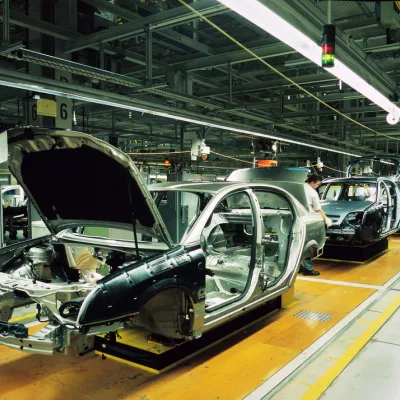
The value of international trade increased six times, and its volume doubled, between 1980 and 2010.


60 billion tonnes of construction minerals, ores and industrial minerals, fossil fuels and biomass are extracted each year


20% of world aquifers are overexploited, and 29% of ‘commercial’ fish populations are overfished.


Compact, resource-efficient cities could see cuts of 36-54 per cent in GHG emissions, and in metals, land, energy and water use.


Restoring 350 million hectares of degraded landscapes by 2030 could generate $US 9 trillion in ecosystem services and take 13-26 gigatons of greenhouse gases out of the atmosphere.


